Early Warning Signs of Hearing Loss You Might Be Missing
The workarounds happen before the awareness does. You start sitting closer


By: admin | March 25, 2026
The workarounds happen before the awareness does. You start sitting closer to the person you’re talking to. You pick the same seat at the table because the background noise is better from that angle. You keep the captions on even when the room is quiet.
None of it feels like a decision you made. It just becomes the way you do things, and after a while, it’s hard to remember when it started.
That’s what makes early hearing loss easy to miss. It doesn’t usually announce itself.
It shows up in the small adjustments you make to stay comfortable, the extra effort that creeps into situations that used to feel easy, and the moments where you’re nodding along because following up again feels like too much.
Once it registers as something worth looking into, you’ve often been managing it for longer than you realize. Knowing what to look for earlier means you’re dealing with it on your own terms instead of catching up to it.
Sound travels as vibration through the air and into your ear canal, where it hits the eardrum and sets off a chain reaction through the tiny bones of the middle ear. Those bones carry the signal to the inner ear, where specialized cells convert it into electrical signals that your brain can read.
The reason hearing loss is so easy to miss early on is that your brain is very good at compensating. It draws on context, lip movement, familiarity with the person talking and the subject being discussed to fill in what the ears are starting to miss.
You’re not aware of that process because it happens automatically, and the result is that your hearing can feel mostly fine even when it isn’t. The gaps get covered over well enough that nothing feels obviously wrong.
What you notice instead are the downstream effects: a little more effort here, a little more fatigue there, situations that used to feel easy starting to feel like they require more from you.
Most of the things that affect your hearing over time weren’t doing anything that felt wrong while they were happening. A loud job. Years of concerts or headphones. A health condition you were managing for other reasons entirely. None of it announces itself as a hearing risk. It just accumulates, and at some point, the effects catch up.
Some of the most common causes:
Healthy hearing is what allows you to chat with family at the breakfast table, trade stories at the water cooler or console a friend after a bad day.
The ability to hear well makes it easy to follow a talk without the stress of constant guesswork. You can focus on the actual words and the tone of a voice instead of the hard work of trying to hear.
Social events feel better when you can join in and talk with family and friends without a struggle.
Safety also relies on how well you hear sounds from all directions. Your ears act as an alert system that monitors what happens around you – even when your eyes are elsewhere. You can hear a car or an alarm, which gives you the time you need to stay out of harm’s way.
Good hearing ensures you stay aware of your environment so you can keep yourself safe.
Most people don’t catch the early signs of hearing loss because they don’t look the way you’d expect. They show up in moments that are easy to brush off or chalk up to something else entirely.
Here are some things that might already feel familiar:
You may notice that you are turning up the volume on your TV, phone or other devices more frequently than before. Shows, movies or conversations that once felt comfortably loud might now seem quieter or harder to follow.
If family members or friends mention that the sound is too loud for them while you still struggle to hear clearly, it can highlight a change in how your ears are picking up sound.
This repeated need for higher volume often happens gradually, and it can be easy to overlook until it starts affecting multiple devices or situations. It can also be one of the first noticeable signs that hearing is shifting, even before other symptoms appear.
Missing high-pitched sounds like alarms or doorbells is another common sign of hearing loss. These sounds are often some of the first to become difficult to hear when hearing changes begin.
High-pitched noises play an important role in keeping you aware of your surroundings and alerting you to important events. Missing these sounds can sometimes lead to safety concerns or cause you to miss visitors at the door.
If alarms, timers or electronic beeps seem quieter than before, this could signal a change in your hearing.
Busy restaurants, family gatherings and crowded stores can make it especially hard to keep up with conversations if you have hearing loss. Background noise often blends with voices, making words sound unclear.
It can be difficult to separate one voice from another, which sometimes leads to missing important parts of group talks. Choosing a seat away from noisy areas and facing the person speaking so you can see their facial expressions and lip movements can help.
These strategies make conversations in busy places easier and help you feel more comfortable in social settings.
You may find yourself asking “What?” or “Can you say that again?” more frequently, especially in environments with background noise or multiple people talking at once. Even familiar voices can become harder to follow and small words or details in sentences may get missed without you realizing it.
This often happens because your brain has to work harder to fill in the missing sounds, making it more difficult to keep up with conversations naturally.
Needing repetitions can create subtle but noticeable challenges in daily life. Conversations may take longer, social interactions can feel more tiring and important details might slip by unnoticed.
It can also be easy to underestimate how often it happens, because you may unconsciously guess or fill in words without noticing what you actually missed.
Avoiding group activities is common for people who have trouble hearing others clearly, especially in busy or noisy places. When following conversations becomes difficult, you may feel left out or worry about misunderstanding what is being said. Over time, this can lead to missing out on social events and feeling less connected to friends or family.
This pattern of withdrawal can also affect your mood and confidence in group settings. Some people might start to feel anxious about gatherings or prefer to stay home instead. Social isolation is closely related to hearing loss and may even impact your overall well-being if not addressed early.
It’s a good idea to schedule a hearing checkup even if you don’t notice obvious changes. Hearing can shift gradually, and early testing provides a baseline for comparison over time. Regular checkups help identify subtle changes before they start affecting communication, focus or daily activities.
Even if everything seems normal, an audiologist can evaluate your overall ear and hearing health, check for early signs of issues and offer guidance on protecting your hearing for the future. Establishing routine visits creates a clear record of your hearing over the years and makes it easier to detect any changes quickly.
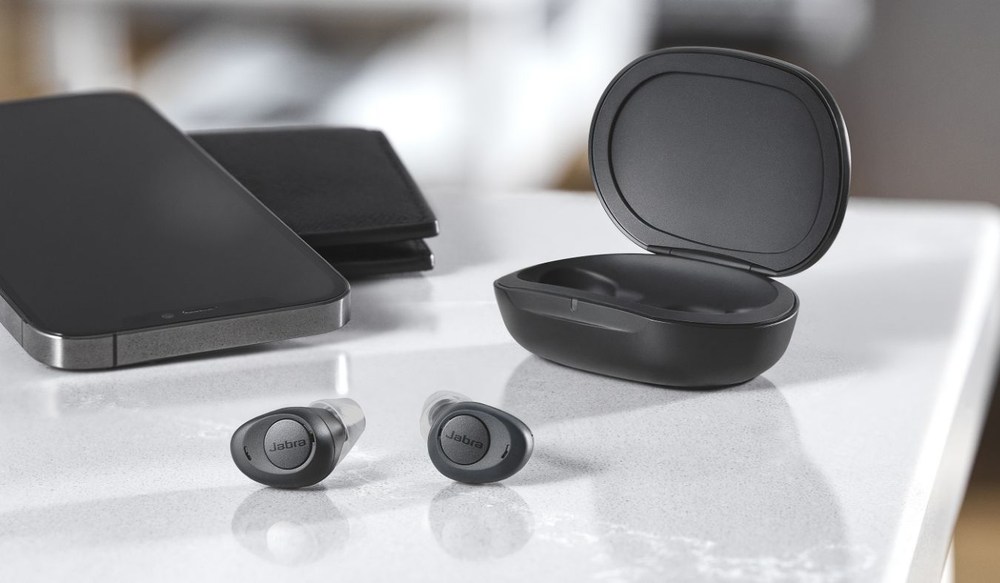
Hearing aids are a common and effective way to address hearing loss. They work by amplifying sounds so that speech and environmental noises are easier to detect and understand.
Modern devices can focus on the sounds you want to hear, like conversations, while reducing background noise, which makes listening less tiring for your brain.
Hearing aids come in different styles to fit a variety of needs and preferences, from behind-the-ear models to those that sit inside the ear canal. They can be customized to match your specific hearing profile, adjusting amplification for different pitches and volumes.
Using hearing aids can help make conversations clearer, reduce mental effort and improve comfort in social settings.
The workarounds you’ve built into your day didn’t come from nowhere, and they don’t have to stay permanent.
Most people who come in for a hearing evaluation have been sitting with something for longer than they’d like to admit. That’s not a problem. It just means you’re here now, and that’s the part that actually counts.
Finding out where your hearing stands gives you something real to work with instead of a vague feeling that something is off.
At Flynn Associates, we work with people at every stage of this. We’re not here to rush you toward anything. Whenever you’re ready, you can reach our Concord, MA office at (978) 759-3540, our Plymouth office at (508) 923-7503 or our Wellesley office at (781) 943-5040.
Tags: hearing loss and mental health, hearing loss basics, hearing loss symptoms
The workarounds happen before the awareness does. You start sitting closer
By: admin | March 25, 2026

Fall brings plenty of reasons to spend time outside, from weekend hikes to
By: admin | October 20, 2025
Hearing aid companies now have access to information they never had
By: admin | July 29, 2025